What instruments should I choose?
Never let a lack of resources hold back music making!
Humans are fantastic instruments. We can use body percussion sounds like clicking, clapping, patting, or stomping as well as lots of vocal sounds too.
Even with ever-increasing budget constrictions in music teaching, music is possible.
Dexterity
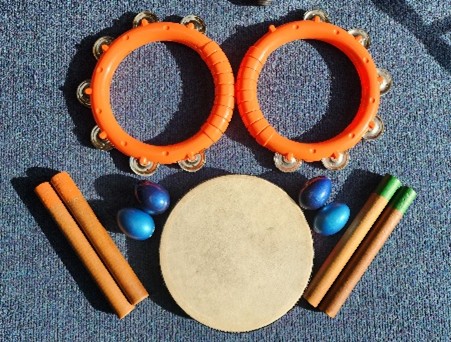
Younger children are still working on their fine and gross motor skills. Choose instruments that they can play with ease, e.g. a hand drum with a large surface area, claves, or a shaky egg they can hold with ease.
Non-pitched instruments
For younger learners, non-pitched instruments can be a great starting point for composition, removing the element of pitch. This allows them to focus on elements such as pulse and tempo or dynamics.
Adaptations for Pitched Instruments
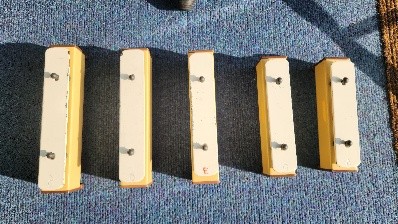
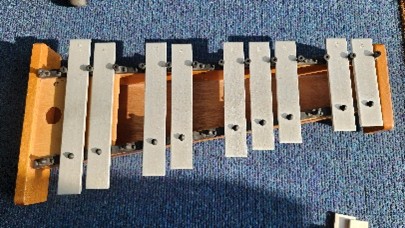
If your focus is on pitch, children with developing motor skills can sometimes struggle with hitting the correct bars. Using chime bars or removing bars from a glockenspiel can assist them. There are also colour coded instruments available, such as hand bells, which can be great for less able learners, especially if combined with colour-coded music.
Effect or Accompaniment
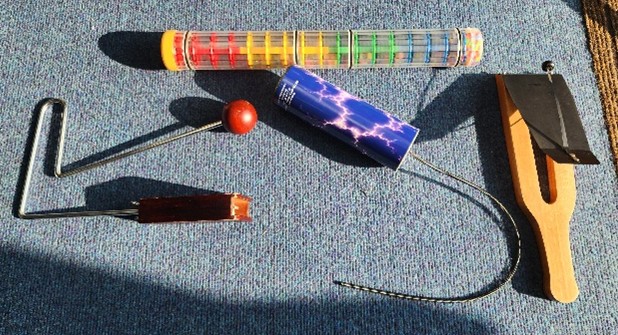
Consider what you are trying to achieve within your session. If you want children to keep in time with a beat or provide a pulse, choose an instrument with a clear and definite sound, like a drum or claves. Instruments such as a rain shaker, thunder shaker or flexatone can provide a great effect if desired but will not produce a definitive beat.